
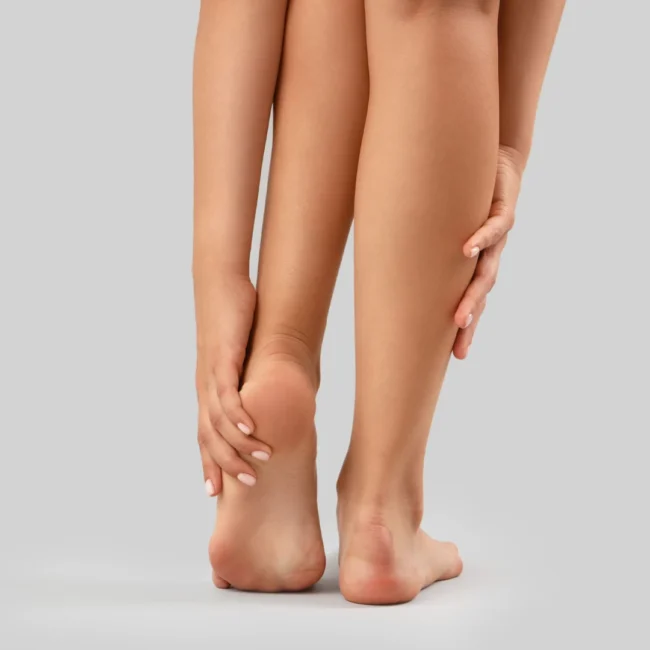
Venous stasis dermatitis is a chronic inflammatory skin condition that is an early warning sign of chronic venous insufficiency. It affects millions of Americans with persistent skin changes that can significantly impact quality of life. At the Vein Care Center, Dr. Manu B. Aggarwal and her team provide comprehensive diagnosis and treatment for patients experiencing venous stasis dermatitis throughout Lima, Celina, and the surrounding counties in Northwest Ohio.
What Is Venous Stasis Dermatitis?

Venous stasis dermatitis, also known as venous eczema, stasis eczema or gravitational dermatitis, is a chronic inflammatory skin disease that directly results from chronic venous insufficiency in the lower extremities. This condition develops when damaged venous valves allow blood to pool in the leg veins, creating sustained high pressure that affects the surrounding skin and tissues.

The condition typically manifests as persistent skin changes, including redness, scaling, itching and discoloration, most commonly affecting the lower legs and ankles. Unlike other forms of dermatitis that external irritants or allergic reactions, venous stasis dermatitis is fundamentally a circulatory problem that manifests through visible skin changes.

When blood pools in the lower leg due to chronic venous insufficiency, fluid leaks out into the skin and other tissues. This leakage causes the characteristic itchy, thin skin and leads to the inflammatory skin changes called stasis dermatitis, which represents an early sign of venous insufficiency. As the condition progresses, the skin may become increasingly thickened, discolored and prone to breakdown, leading to even more serious complications if left untreated.

How Is Venous Stasis Dermatitis Diagnosed?

Dr. Aggarwal and her team use a comprehensive diagnostic approach to identify venous stasis dermatitis and evaluate the underlying chronic venous insufficiency that causes it. The process begins with a detailed physical examination of your legs. We will carefully assess the appearance, location and extent of skin changes while looking for clinical signs of venous insufficiency.

Advanced ultrasound technology plays a crucial role in diagnosis, allowing us to visualize blood flow patterns and identify areas of venous valve dysfunction that contribute to the development of stasis dermatitis. This noninvasive imaging reveals the extent of venous insufficiency and helps determine the most appropriate treatment approach.

The diagnosis is typically based on the characteristic skin changes combined with evidence of chronic venous insufficiency and other symptoms such as leg swelling and aching pain.

What Causes Venous Stasis Dermatitis?

Venous stasis dermatitis develops as a direct result of chronic venous insufficiency, making CVI the primary underlying cause that must be addressed for successful treatment. The condition occurs when blood collects in the lower legs due to damaged or weakened venous valves that can no longer effectively pump blood back to the heart.

Several factors contribute to the development of chronic venous insufficiency and subsequent stasis dermatitis:

01 /
Damaged venous valves

Valve dysfunction allows blood to flow backward and pool in leg veins

02 /
Previous deep vein thrombosis

Blood clots can permanently damage venous valves, leading to post-thrombotic syndrome

03 /
Varicose veins

Enlarged, damaged veins that contribute to poor circulation and increased venous pressure

04 /
Advanced age

Natural aging processes weaken vein walls and valves, making them more susceptible to dysfunction

05 /
Prolonged standing or sitting

Extended periods of immobility impair circulation and increase venous pressure

06 /
Multiple pregnancies

Pregnancy hormones and increased blood volume can stress leg veins

07 /
Obesity

Excess weight creates additional pressure on the venous system

08 /
Family history of venous disease

Genetic predisposition affects vein structure and valve function

09 /
Heart failure or kidney disease

Conditions that affect overall circulation and fluid balance

What Are the Symptoms of Venous Stasis Dermatitis?

Venous stasis dermatitis typically develops gradually and worsens over time as the underlying chronic venous insufficiency progresses. Early symptoms often include persistent swelling around the ankles that may improve with elevation and worsen throughout the day as blood pools in the lower extremities.

Skin changes represent the hallmark of venous stasis dermatitis, beginning with redness, scaling and itching that typically affects the lower legs and ankle areas. The skin may appear reddish on lighter skin tones or brown, purple, gray or ashen on darker skin tones. Many patients experience intense itching that can interfere with sleep and daily activities.

As the condition progresses, patients may notice thickening and hardening of the skin, particularly around the ankle area. Brown or orange discoloration may develop due to the breakdown of red blood cells in pooled blood, and some patients develop small orange-brown speckles called “cayenne pepper spots” when tiny capillaries burst beneath the skin surface.

Additional symptoms commonly include leg heaviness, aching or cramping that worsens with prolonged standing and improves with elevation. If left untreated, the skin may become increasingly dry and scaly and prone to cracking or breaking open, leading to secondary infections or venous ulcers.

Treatment Options for Venous Stasis Dermatitis

Successful treatment of venous stasis dermatitis requires a comprehensive approach that addresses both the inflammatory skin changes and the underlying chronic venous insufficiency. 

The Vein Care Center offers multiple treatment modalities tailored to each patient’s specific condition:

01 /
Compression therapy

Medical-grade compression stockings or bandages to reduce venous pressure and improve circulation

02 /
Topical skin treatments

Prescription corticosteroids, moisturizers and barrier preparations to address skin inflammation and dryness

03 /
Advanced wound care

Specialized treatments for any skin breakdown or secondary infections

04 /
Endovenous laser treatment (EVLT)

Minimally invasive procedure to treat underlying venous insufficiency

05 /
Sclerotherapy

Injectable treatment to eliminate problem veins contributing to venous pressure

06 /
Lifestyle modifications

Exercise programs, leg elevation and weight management to support venous health

07 /
Medical management

Treatment of underlying conditions that may contribute to venous dysfunction

Venous Stasis Dermatitis Treatment at the Vein Care Center

At the Vein Care Center, Dr. Aggarwal and her team take a comprehensive two-pronged approach to treating venous stasis dermatitis. They recognize that successful management requires addressing both the visible skin symptoms and the underlying chronic venous insufficiency that drives this inflammatory condition. Her treatment philosophy emphasizes the importance of treating the root cause while providing optimal skin care to promote healing and prevent progression.

The cornerstone of stasis dermatitis treatment includes compression therapy to ameliorate pain and swelling, topical treatments to alleviate secondary skin changes and interventional treatment options to correct the underlying causes of venous reflux. Dr. Aggarwal creates personalized treatment plans that may combine conservative therapies with minimally invasive procedures to restore proper venous function and reduce the inflammatory burden on the skin.

Patient education is crucial to treatment, as understanding proper skin care, compression therapy compliance and lifestyle modifications significantly impacts treatment success. The team provides comprehensive guidance on maintaining skin health, recognizing warning signs of complications and preventing disease progression.

Given the central role of inflammation in driving the cutaneous changes characteristic of stasis dermatitis, Dr. Aggarwal and her team stay current with new therapeutic approaches that target inflammation while addressing the underlying venous dysfunction. Regular monitoring ensures that treatment approaches are adjusted to achieve optimal outcomes.

Let Vein Care Center Help You

Prompt expert care is essential to prevent serious complications such as skin breakdown, infection or venous ulcers. Once your underlying vein disease is treated and circulation improves, oxygen-rich blood will begin to heal and prevent further skin damage. If you’re experiencing venous stasis dermatitis symptoms, don’t wait for the condition to worsen. 

Contact the Vein Care Center today at (419) 227-4472 or click below to schedule your comprehensive evaluation and begin your journey toward healthier skin and improved circulation.

“Gwynne is the best! She knows her job and does a fantastic job! Reception area was great also.”

R. S.

“My nurse was outstanding and very helpful. Ultrasound tech was fabulous – considerate of my needs. No complaints.”

G. A.

“Very friendly, make you feel like they really care!”

R. G.

“Dr. Aggarwal and staff are great!”

J. C.

“Thank you for making this patient feel that I am a top priority for your help.”

L. C.

Happy Legs, Happy Life

Professional Skin and Beauty Care at Our Aesthetic Treatment Center

Aesthetic Care Center, our specialized aesthetic treatment facility led by Dr. Aggarwal, combines advanced anti-aging technologies with personalized treatment plans to address your unique skin concerns. Our comprehensive suite of medical-grade aesthetic services includes the latest innovations in skin rejuvenation and body contouring, such as Botox, RF microneedling and truSculpt, all delivered with the same expertise and attention to detail that defines our vein care practice. Begin your transformation with a complimentary skin care screening, where we’ll create a customized plan to help you achieve your aesthetic goals.

Visit Our Aesthetic Care Center

Schedule Your Consultation

The Vein Care Center makes it easy to get started. Book your consultation today and explore treatment options designed to restore your health and comfort.

Schedule Your Consultation