
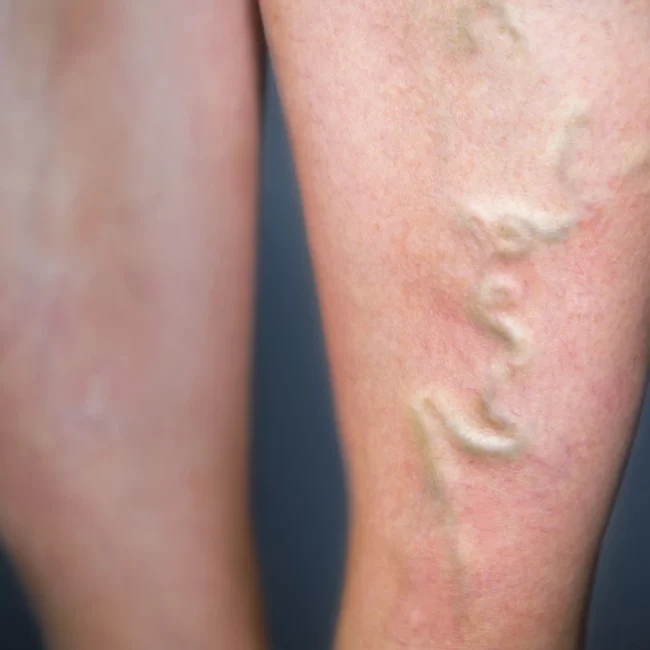
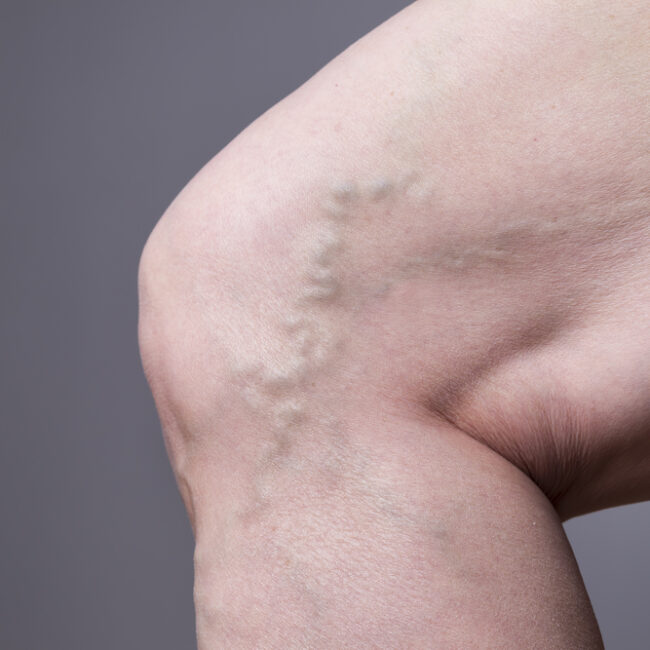
Phlebitis can develop with or without warning and is an issue that often requires medical attention. It involves inflammation in a vein and may affect your mobility, comfort, or overall vein function, depending on its location and severity. Early attention can make a difference in how it progresses and how it’s managed.

At the Vein Care Center, we offer advanced vascular services for patients in Lima, Celina, the Auglaize County area, and northwest Ohio. Dr. Manu B. Aggarwal leads our medical team with experience in treating venous conditions like phlebitis. We focus on providing clear answers and practical solutions based on each patient’s condition and history.
What Is Phlebitis?

Phlebitis is inflammation of a vein that can occur with or without the presence of a blood clot. When a clot is present alongside inflammation, the condition is referred to as thrombophlebitis. This can affect veins near the surface of the skin or deeper within the body, most commonly in the legs, where blood flow may be slower or more easily disrupted.

Superficial phlebitis typically affects surface veins and tends to develop gradually. It may cause redness, tenderness, and swelling along the course of the vein, but it is generally less concerning than deeper involvement. When inflammation and clotting occur in deeper veins, the condition is called deep vein thrombophlebitis (DVT). This type can be more serious, as a clot formed in a deep vein has the potential to dislodge and travel to the lungs and lead to a pulmonary embolism. Early evaluation is important to determine the depth of the vein involvement and reduce the risk of further issues.

How Is Phlebitis Diagnosed?

Diagnosing phlebitis starts with a physical exam and a discussion about your symptoms, medical history, and any risk factors such as recent immobility, surgery, or a family history of clotting disorders. We’ll check for visible signs like redness, swelling, and warmth along the vein, as well as areas of tenderness or firmness under the skin. We use ultrasound technology to look for clots and evaluate blood flow. This imaging test is noninvasive and effective for detecting thrombophlebitis. In some cases, blood tests or additional imaging may be needed to help confirm the diagnosis or rule out other vascular conditions.

What Causes Phlebitis?

Phlebitis in the superficial veins can result from an injury to a vein or after a medical or surgical procedure. There are times when blood clots can form without a previous injury. The risk factors for phlebitis include:

  • Varicose veins
  • Sedentary lifestyle
  • Prolonged period of inactivity (long car rides or plane rides)
  • Obesity
  • Smoking
  • Certain medical conditions (cancer or blood disorders, for example)
  • Injury
  • Pregnancy
  • Using hormonal birth control
  • Hormone replacement therapy

What Are the Symptoms of Phlebitis?

Phlebitis signs depend on whether the affected vein is close to the surface of the skin or located deeper in the body. In cases of superficial phlebitis, early signs often include a red or irritated area along the path of a vein, usually in the leg. This area may feel hard, warm, or tender, with a rope-like ridge under the skin and itchiness or swelling on the surface. You may notice a throbbing or burning sensation, which can become more uncomfortable in the morning when your leg is lowered. Some patients experience a low-grade fever, and in certain cases, an infection can develop, causing additional redness or drainage.

Symptoms of deep vein phlebitis can overlap with those of superficial phlebitis, but are typically more severe. Pain and swelling may affect the entire limb rather than a localized area. The skin may appear discolored, and ulcers can form in more advanced cases. A high fever, firm lumps along the vein, and severe discomfort in the leg are also signs that may point to DVT.

A life-threatening complication called pulmonary embolism may occur if a clot breaks loose and travels to the lungs. Sudden shortness of breath, chest pain, or rapid heart rate in combination with the symptoms above should be treated as a medical emergency.

Treatment Options for Phlebitis

Once a diagnosis is made, treatment is based on the location and severity of the inflammation, as well as whether a clot is present. We focus on reducing discomfort, limiting complications, and supporting vein function as you heal.

01 /
Anti-inflammatory Medications

These can help reduce pain and swelling, especially in cases of superficial phlebitis. They are often a first-line option in phlebitis management.

02 /
Warm Compress

Applying a warm compress to the affected area may improve circulation and reduce inflammation. This simple step can support overall phlebitis management in early or mild cases.

03 /
Compression Stockings

These help promote healthy blood flow and reduce swelling by applying gentle pressure to the legs. They’re especially helpful for patients who spend long periods sitting or standing.

04 /
Blood Thinners

If a deep vein is involved, blood thinners may be prescribed to reduce the risk of clot growth or pulmonary embolism. This is a common thrombophlebitis treatment to prevent serious complications.

05 /
Antibiotics

If signs of infection are present, antibiotics may be necessary. These are only used when an infection is confirmed or strongly suspected.

06 /
Elevation of the Limb

Keeping the affected leg elevated can help reduce swelling and discomfort. This is often recommended as part of the overall treatment of phlebitis at home.

07 /
Surgery

In rare or severe cases, surgical intervention may be needed to remove the clot or repair damaged veins.

Phlebitis Treatment at the Vein Care Center

Phlebitis can range from a minor concern to a condition that requires urgent attention, depending on the location and depth of the affected vein. If you’re experiencing symptoms or have concerns about your vein health, we’re here to help. Dr. Manu B. Aggarwal is a board-certified family physician who is venous and lymphatic medicine-certified and aesthetic laser-certified, offering experienced care for vein-related conditions. To schedule an evaluation, reach out through our contact page or call us at (419) 227-4472. We’re proud to serve patients in Lima, Celina, and throughout the greater Auglaize County area.

The information about phlebitis treatment was reviewed by Dr. Manu B. Aggarwal. If you have any questions, please don’t hesitate to contact us using our contact form below.

“Gwynne is the best! She knows her job and does a fantastic job! Reception area was great also.”

R. S.

“My nurse was outstanding and very helpful. Ultrasound tech was fabulous – considerate of my needs. No complaints.”

G. A.

“Very friendly, make you feel like they really care!”

R. G.

“Dr. Aggarwal and staff are great!”

J. C.

“Thank you for making this patient feel that I am a top priority for your help.”

L. C.

Happy Legs, Happy Life

Professional Skin and Beauty Care at Our Aesthetic Treatment Center

Aesthetic Care Center, our specialized aesthetic treatment facility led by Dr. Aggarwal, combines advanced anti-aging technologies with personalized treatment plans to address your unique skin concerns. Our comprehensive suite of medical-grade aesthetic services includes the latest innovations in skin rejuvenation and body contouring, such as Botox, RF microneedling and truSculpt, all delivered with the same expertise and attention to detail that defines our vein care practice. Begin your transformation with a complimentary skin care screening, where we’ll create a customized plan to help you achieve your aesthetic goals.

Visit Our Aesthetic Care Center

Schedule Your Consultation

The Vein Care Center makes it easy to get started. Book your consultation today and explore treatment options designed to restore your health and comfort.

Schedule Your Consultation