

May-Thurner Syndrome is a complex vascular condition affecting pelvis blood flow. This often underdiagnosed condition occurs when anatomical compression disrupts normal circulation, creating a cascade of symptoms that can significantly impact your quality of life.

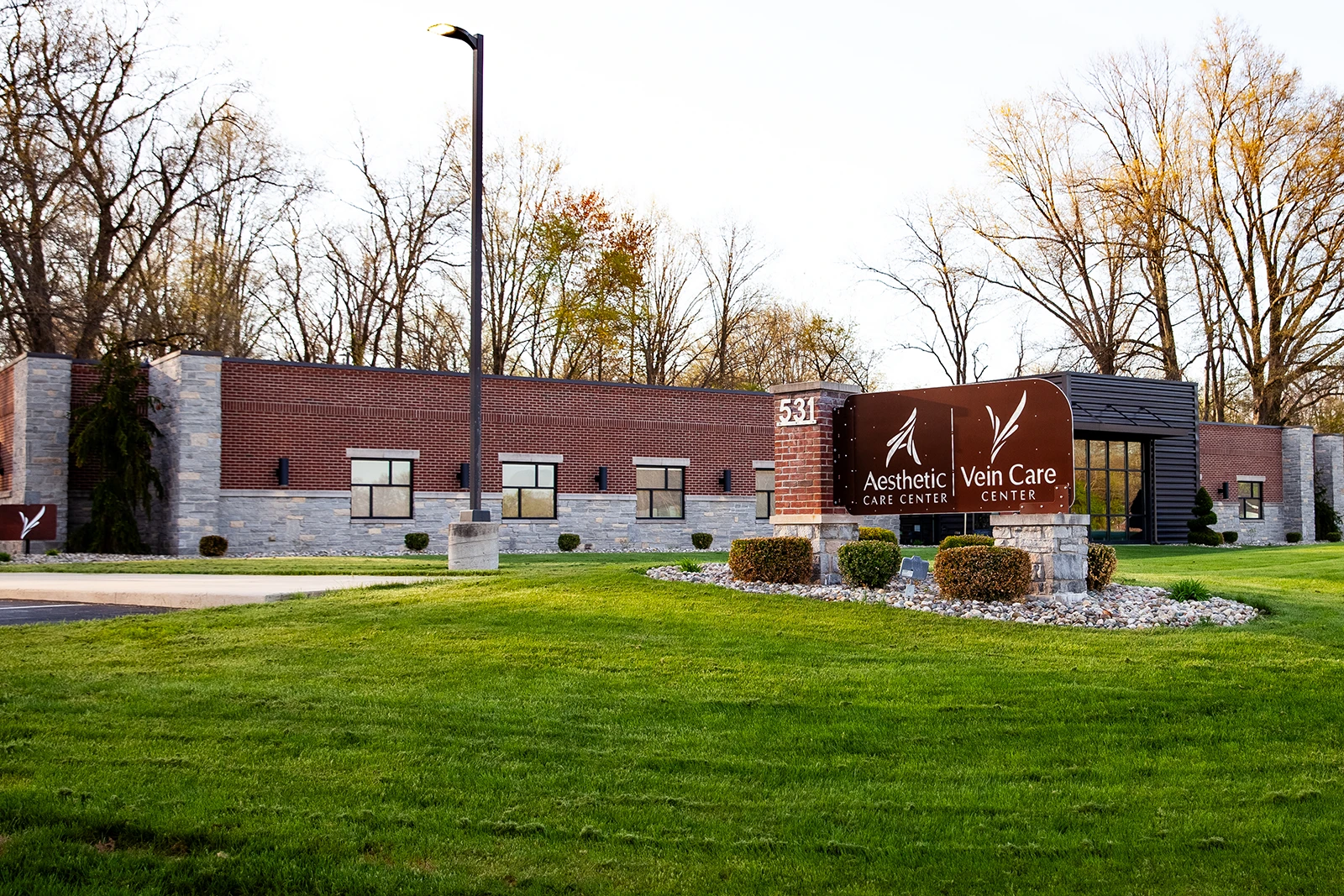
The Vein Care Center is a leading vascular care provider serving Lima and Celina, OH and the greater Auglaize County area, offering expert diagnosis and advanced treatment options for this challenging condition.
What is May-Thurner Syndrome?

Also known as iliac vein compression syndrome or Cockett syndrome, May-Thurner Syndrome is a structural vascular abnormality caused by the right iliac artery compressing the left iliac vein against the lumbar spine. This anatomical compression disrupts normal blood flow from the left leg back to the heart and creates a bottleneck effect, leading to blood pooling in the lower extremities and potentially dangerous complications.

May-Thurner Syndrome affects approximately 2% to 5% of all deep vein thromboses, making it an underdiagnosed cause of serious circulatory complications. However, anatomical studies suggest that up to 25% of the population may have some degree of iliac vein compression, though not all will develop symptoms. The compression can cause endothelial injury to the vein wall, leading to inflammation and scar tissue formation that further narrows the vessel. Over time, this process may progress to complete vascular obstruction if not adequately addressed.

How Is May-Thurner Syndrome Diagnosed?

Diagnosing May-Thurner Syndrome requires specialized expertise and advanced imaging technology. The diagnostic process begins with a comprehensive evaluation that includes a thorough review of the location, duration and severity of your discomfort. Dr. Aggarwal and her team pay particular attention to asymmetric symptoms, especially those predominantly affecting the left leg.

During your initial assessment, we carefully evaluate your complete medical history, lifestyle factors, activity levels and how symptoms impact your daily routine. This comprehensive approach helps identify patterns that suggest May-Thurner Syndrome rather than other vascular conditions.

A pelvic ultrasound serves as an initial screening tool, providing information about blood flow patterns and identifying areas of potential obstruction. More detailed imaging may include CT venography, which uses contrast material to create detailed pictures of the veins, or magnetic resonance venography (MRV), which provides excellent visualization of soft tissues and vascular structures.

Intravascular ultrasound (IVUS) involves inserting a small ultrasound probe directly into the blood vessel, providing real-time, high-resolution images of the vessel wall and the degree of compression. IVUS can accurately measure the percentage of vessel narrowing and help determine the most appropriate treatment approach.

In some cases, venography—an imaging study in which contrast dye is injected directly into the veins—may be necessary to fully evaluate the extent of compression and plan treatment. This procedure provides detailed visualization of the venous anatomy and can identify collateral circulation patterns.

What Causes May-Thurner Syndrome?

May-Thurner Syndrome is caused by anatomical compression where the right iliac artery presses against the left iliac vein. Several factors can contribute to the development or worsening of this condition:

  • Anatomical variations in blood vessel positioning
  • Prolonged periods of immobility or bed rest
  • Pregnancy and hormonal changes
  • Use of oral contraceptives or hormone replacement therapy
  • Previous history of blood clots
  • Genetic predisposition to clotting disorders

What Are the Symptoms of May-Thurner Syndrome?

The clinical presentation of May-Thurner Syndrome can vary significantly from patient to patient, with many individuals remaining completely asymptomatic. When symptoms develop, they typically manifest in the left leg.

The most common initial symptom is persistent swelling in the left leg that tends to worsen throughout the day, particularly after prolonged periods of standing or sitting. This swelling often begins gradually and may initially be attributed to other causes such as heart problems, kidney issues or simple fluid retention.

Patients frequently describe aching or throbbing pain in the affected leg that intensifies with physical activity, prolonged standing or walking. This discomfort is often accompanied by heaviness or fatigue in the limb, creating a sensation patients describe as “dragging” or “dead weight.” The pain may be particularly noticeable at the end of the day or after periods of increased activity.

Additional symptoms include the development of prominent varicose veins, particularly in the left leg and pelvic region. These enlarged, twisted veins result from increased pressure in the venous system as blood seeks alternative pathways back to the heart. Some patients also experience skin changes, including discoloration or darkening of the skin around the ankle and lower leg, a condition known as venous stasis dermatitis.

In more advanced cases, patients may develop chronic venous insufficiency, leading to skin thickening, inflammation and potentially forming venous ulcers. Some individuals also report lower back pain or lower abdominal discomfort, which may be related to pelvic congestion secondary to the venous obstruction.

Symptoms may fluctuate and can be influenced by hormonal changes, pregnancy, prolonged immobility or other factors. If you experience persistent left leg symptoms, especially if they worsen over time or are accompanied by the sudden onset of severe pain and swelling, seeking immediate professional evaluation is crucial.

Treatment Options for May-Thurner Syndrome

Treatment for May-Thurner Syndrome is highly individualized and depends on multiple factors. The comprehensive approach at the Vein Care Center addresses both immediate symptom relief and long-term prevention of serious complications such as deep vein thrombosis and pulmonary embolism.

01 /
Conservative Management

For patients with mild symptoms or those at low risk for complications, initial treatment focuses on noninvasive approaches. Prescription compression stockings provide graduated pressure that helps improve circulation. Lifestyle modifications include regular exercise, elevation of the affected leg when possible, avoiding prolonged periods of immobility and maintaining optimal hydration. Activity recommendations may include specific exercises to activate the calf muscle pump and improve venous drainage.

02 /
Anticoagulation Therapy

Blood-thinning medications may be prescribed to prevent clot formation, particularly in patients at high risk for deep vein thrombosis. Patients receiving anticoagulation require regular monitoring to ensure its effectiveness while minimizing bleeding risks.

03 /
Angioplasty and Stenting

This minimally invasive endovascular procedure is the gold standard treatment for symptomatic May-Thurner Syndrome. The procedure involves inserting a catheter through a small incision in the groin area and advancing it to the site of compression. A balloon is then inflated within the compressed vein to restore normal diameter, followed by a small mesh tube (stent) placement to maintain vessel patency. This technique provides immediate symptom relief for most patients.

04 /
Surgical Bypass

In rare cases where endovascular treatment is not feasible or unsuccessful, surgical bypass procedures may be considered. These create an alternative pathway for blood flow around the compressed segment, typically using a synthetic graft or the patient’s vein tissue.

05 /
Thrombolysis and Thrombectomy

Specialized removal procedures may be necessary for patients who have developed acute blood clots. These can include catheter-directed thrombolysis, where clot-dissolving medications are delivered directly to the clot site, or mechanical thrombectomy, where the clot is physically removed using specialized devices.

May-Thurner Syndrome Treatment at the Vein Care Center

At the Vein Care Center, board-certified physician Dr. Manu B. Aggarwal and team provide expert diagnosis and advanced treatment options for patients experiencing May-Thurner Syndrome. Our expertise allows us to identify May-Thurner Syndrome when other providers might miss this often-overlooked diagnosis, ensuring patients receive the specialized care they need.

To schedule your comprehensive evaluation and take the first step toward better vascular health, call (419) 227-4472 or click below.

“Gwynne is the best! She knows her job and does a fantastic job! Reception area was great also.”

R. S.

“My nurse was outstanding and very helpful. Ultrasound tech was fabulous – considerate of my needs. No complaints.”

G. A.

“Very friendly, make you feel like they really care!”

R. G.

“Dr. Aggarwal and staff are great!”

J. C.

“Thank you for making this patient feel that I am a top priority for your help.”

L. C.

Happy Legs, Happy Life

Professional Skin and Beauty Care at Our Aesthetic Treatment Center

Aesthetic Care Center, our specialized aesthetic treatment facility led by Dr. Aggarwal, combines advanced anti-aging technologies with personalized treatment plans to address your unique skin concerns. Our comprehensive suite of medical-grade aesthetic services includes the latest innovations in skin rejuvenation and body contouring, such as Botox, RF microneedling and truSculpt, all delivered with the same expertise and attention to detail that defines our vein care practice. Begin your transformation with a complimentary skin care screening, where we’ll create a customized plan to help you achieve your aesthetic goals.

Visit Our Aesthetic Care Center

Schedule Your Consultation

The Vein Care Center makes it easy to get started. Book your consultation today and explore treatment options designed to restore your health and comfort.

Schedule Your Consultation